Almost every couple I meet asks some version of the same question: do I need a videographer and photographer for my wedding, or is one enough? The honest answer is that they capture different things and most people are glad they hired both. The bigger question, the one nobody warns you about, is how to keep the two teams from getting in each other's way on the actual day.
What Photo and Video Actually Give You
Photos and video capture completely different pieces of your day. A photograph freezes a single moment so you can hang it on your wall or flip through an album for the next fifty years. Video gives you movement and sound, your dad's voice cracking during his toast, the exact way your partner laughed during vows. Neither one replaces the other. That's usually the real answer to whether you need both.
The Real Question Isn't Whether You Need Both
After shooting weddings around Cleveland for years, I can tell you the question isn't really whether you need a videographer and photographer. It's whether the two teams can work the same room without stepping on each other. A photographer sneaking into the background of your first dance video, or a videographer's boom mic dipping into a ceremony photo, that's the stuff that actually ruins moments, not the decision to hire both.
How I Coordinate With Your Video Team
Before I ever show up to a wedding where there's a video team involved, I reach out to them directly. We talk through the ceremony layout, who stands where, and which moments each of us needs clean sightlines for. This isn't complicated, it just takes a phone call instead of meeting for the first time on your wedding day.
The best photo and video teams work like they've rehearsed it, even when they just met that morning.
- A short call or email exchange before the wedding to align on positioning
- A shared understanding of who moves during the ceremony and who stays still
- Agreement on which of us leads during formal portraits so we're not both directing at once
- A plan for reception coverage so neither team blocks the other during toasts or dances
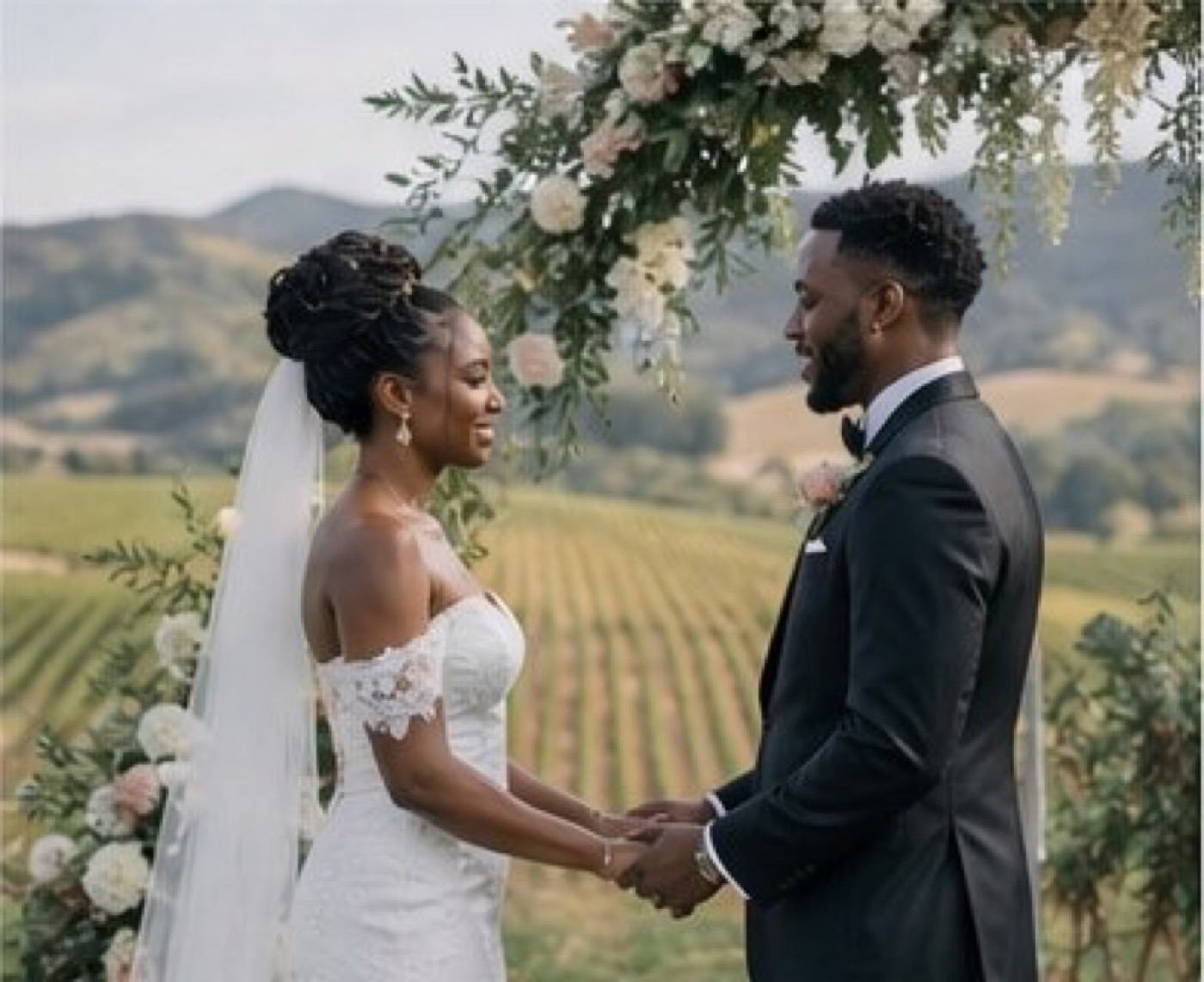
Ceremony Positioning Without the Collision
Every venue has its own quirks when it comes to fitting two teams into tight spaces. At a place like The Union Club, the ceremony space is elegant but compact, so I usually work with the videographer to pick fixed spots along the sides rather than both of us drifting up the aisle. Ask your venue coordinator about aisle width and any restrictions on where vendors can stand, since every space has different rules worth confirming ahead of time.
Reception and Speeches Sharing the Room
Reception rooms open up more room to move, but they bring their own challenges, especially with lighting rigs and tripods. At Windows on the River, the views are a huge draw, so I make sure the video team and I aren't both parked in front of the same window during toasts. We rotate positions so guests get a clean view too, not just two vendors crowding the same corner.
- Decide ahead of time who gets the prime spot for the first dance
- Stagger movement during speeches so cameras aren't crossing each other's frames
- Confirm with your venue how much space is actually available near the head table
Building a Timeline That Serves Both Teams
A timeline built with only photography in mind usually falls apart once a video team is added. I build extra buffer into getting ready coverage, first look, and family formals so both teams have room to work without rushing past each other. If you want to see how I structure a full wedding day timeline, take a look at how I approach weddings from start to finish.
What This Means For Your Investment
Hiring both a photographer and videographer is a bigger line item, no question. But most couples I work with find that once they see the finished gallery and film side by side, they're glad they didn't have to choose. If you're weighing the numbers, my investment page walks through how I structure packages so you can see where the money actually goes.
Picking Vendors Who Already Know Each Other
When possible, I always recommend asking your photographer and videographer if they've worked together before. Familiarity saves you money in coordination time and saves your wedding day from awkward vendor traffic jams. If you're still building your vendor team and want a second opinion on pairing photo and video, reach out and I'm happy to talk through it.
- Ask both vendors directly if they've shot together before
- Request a short pre-wedding call between your photo and video teams
- Share your timeline with both vendors at the same time, not separately
Details are general and drawn from public information as of 2026. Confirm current specifics with the venue directly.