If your ceremony and your reception are happening at two different addresses, building a wedding timeline for separate ceremony and reception venues in Cleveland takes more thought than just tacking fifteen minutes onto your schedule. I have shot enough of these days to know where the plan usually breaks, and it is almost never the ceremony or the toasts. It is the thirty minutes in between that nobody accounted for.
Two venues means one extra job on your timeline
When your ceremony and reception share one address, your coordinator or planner is basically managing one clock. Add a second venue and you are now managing two clocks plus the time it takes to get everyone, and everything, from one to the other. That includes you, your wedding party, your parents, your guests, the flowers, the cake, and often the DJ's gear.
Cleveland traffic is not Chicago traffic, but it is not nothing either. A drive that Google Maps says takes eighteen minutes on a Tuesday afternoon can take thirty-five on a Saturday in June if you are going anywhere near downtown, the Flats, or the west side during a Guardians game or a summer festival. Build your timeline around the worst realistic version of that drive, not the best one.
Start with your photos and light, then work backward
Most couples build their timeline forward from the ceremony time. I build it backward from the light. If you want outdoor portraits with soft evening light, I need to know what time the sun sets on your date and work backward from there to figure out when we need to be wherever we are shooting.
Once I know that anchor point, everything else gets built around it: hair and makeup start time, ceremony start time, and how much travel sits between the two venues. This is the same approach I use whether the ceremony is at a church, a garden, or a spot like the Union Club, where the architecture gives us great light inside even if the weather outside does not cooperate.
- Sunset time on your actual wedding date, not a rough estimate
- Whether your reception venue allows any outdoor portrait time before doors open
- How much of the wedding party needs to travel between venues for photos
- Whether a first look is happening at the getting-ready location or the ceremony site
The travel buffer nobody puts on the timeline
Here is the buffer math I actually use. Take whatever the drive time says, add ten minutes for loading everyone into cars, add another five to ten for parking and getting inside the second venue, and then add a real cushion on top of that for anything unexpected. A flat tire, a wrong turn, a bridal party member who needed one more bathroom stop. It happens more than you'd think.
This buffer matters even more if your ceremony and reception are on opposite sides of town, say a ceremony near University Circle and a reception out near LaCentre in Westlake. That is a real drive, and your cocktail hour needs to be built long enough to absorb it without your guests standing around wondering where everyone went.
The couples with the calmest wedding days aren't the ones with the fanciest timeline. They're the ones who padded it honestly.
- Add 10 minutes for loading the wedding party into cars or a shuttle
- Add 5 to 10 minutes for parking and walking into the second venue
- Add a true cushion beyond the GPS estimate, especially on weekends
- Confirm parking and drop off logistics with each venue directly, since layouts vary
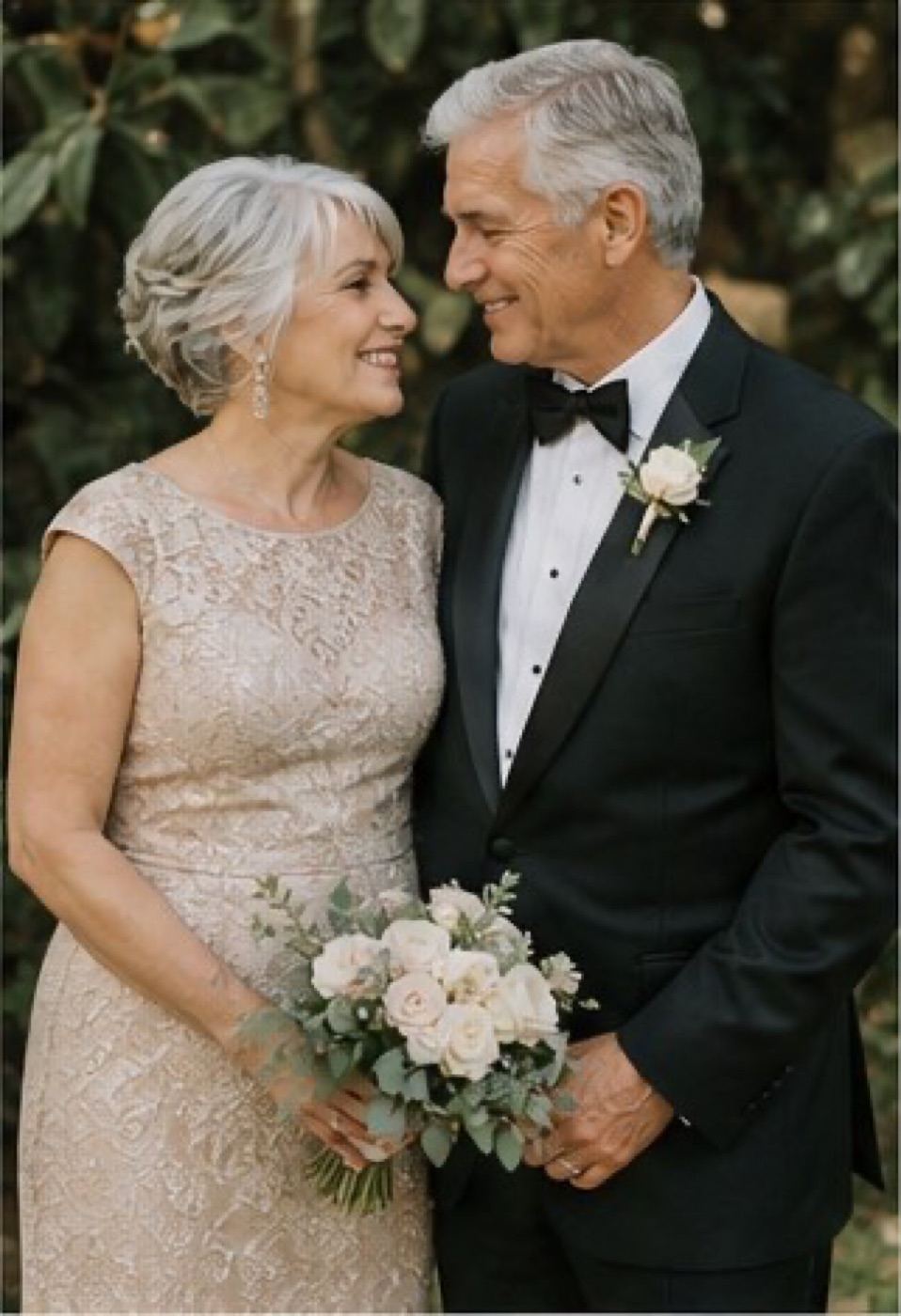
Getting ready location matters more than you think
Where you get ready affects the two-venue timeline just as much as the ceremony and reception locations do. If you are getting ready at a hotel or a house that is not near either venue, you have created a third location and a third travel leg before the day even really starts.
I usually recommend getting ready as close to the ceremony site as the venue or your budget allows, so the first travel leg of the day is the only one you have to think hard about. If a first look is part of your plan, it also needs its own slot on the timeline, not just a vague fifteen minutes squeezed between hair and the ceremony.
Ceremony to cocktail hour, the bridge that has to hold
Cocktail hour is doing more work than most couples realize when your reception is at a separate venue. It is not just a chance for guests to grab a drink, it is the buffer that absorbs the travel time between the two locations. If your drive is fifteen minutes, a standard one hour cocktail hour works fine. If it is thirty minutes or more, you may need to extend it or stagger transportation so guests aren't left waiting in an empty room.
Talk to your caterer or venue coordinator about what a longer cocktail hour means for food service and bar setup. Some venues handle this smoothly and some need extra notice, so confirm timing details directly with the venue rather than assuming.
- Short drive under 15 minutes: standard cocktail hour length usually works
- Drive of 20 to 30 minutes: consider a slightly longer cocktail hour or staggered guest departure
- Longer drives: talk to your venue about entertainment or seating for early arrivals
Two Cleveland venues I build timelines around often
Every venue pairing has its own quirks, but a few come up again and again in my bookings. A ceremony at the Union Club downtown paired with a reception elsewhere means factoring in downtown parking and street closures, especially on event weekends.
On the west side, LaCentre in Westlake is a common reception venue for couples marrying at a church or outdoor site closer to the lake or further west. The drive itself is usually manageable, but I always tell couples to confirm the venue's own load-in and guest arrival windows since those details shift and are best confirmed directly with the venue.
Vendors need the same timeline you do
Once your timeline is built, it needs to reach every vendor, not just live in your head or your planner's notebook. Your DJ, caterer, florist, and I all need the same version of the schedule, especially the travel windows, so nobody is caught off guard when the wedding party is running twenty minutes behind because of traffic on I-90.
I send a shot list and timeline confirmation to couples ahead of the wedding specifically because two-venue days have more moving parts, and a shared document keeps everyone working off the same information instead of guessing.
- Share the final timeline with every vendor at least a week out
- Flag the travel window clearly so vendors know when to expect gaps
- Give your coordinator or point person the venue's parking and load-in details
Ready to build a timeline that actually holds
A two-venue wedding day can run smoothly, I have shot plenty that did, but it takes an honest timeline built with real buffers, not wishful thinking. If you want help mapping out photo windows around your specific venues, I walk through this with every couple I work with. Take a look at how I approach wedding days, check investment details for planning purposes, and reach out when you're ready to talk through your date.
Details are general and drawn from public information as of 2026. Confirm current specifics with the venue directly.