If you're googling seating exes at wedding reception at 11pm with a glass of wine next to your laptop, you are not the first bride or groom to do this. Nearly every wedding I shoot in the Canton area has at least one guest list situation nobody wants to talk about out loud, an ex of the couple, an ex of a parent, a college relationship that ended badly but the friend group stayed close. The seating chart is where this either gets handled calmly or turns into the thing people whisper about at the bar.
This comes up way more than couples think
I've photographed weddings at country clubs outside Canton where the groom's college girlfriend was seated two tables over from his now wife, totally fine, because nobody made it a thing. I've also seen the opposite, a maid of honor whose ex showed up as someone else's plus one, and the tension was visible in every candid I shot that reception. The difference wasn't the guest list. It was the seating chart.
You are allowed to invite who you want and seat them how you want. There's no etiquette rulebook that says an ex automatically gets uninvited or automatically gets a seat of honor. What matters is being honest with yourself about who these people are to you now, and planning the room accordingly instead of hoping it works itself out.
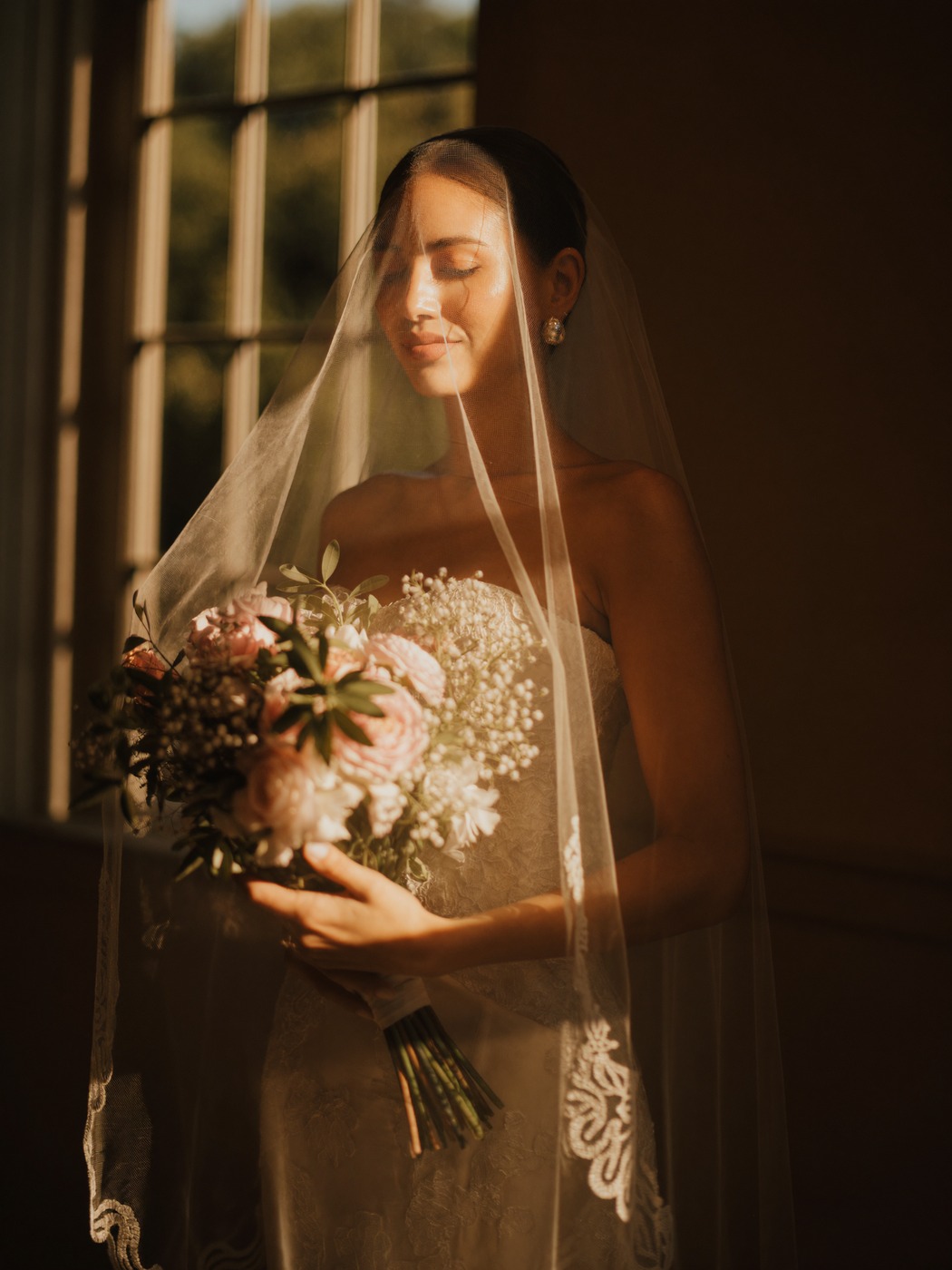
Why a shared table feels efficient but rarely works
I get why couples try it. You've got one empty seat at the groomsmen table and one empty seat at the overflow table, and it seems tidy to just combine them. But putting two exes, or an ex and a current partner, at the same table for four hours is asking a lot of people who are there to celebrate you, not navigate a reunion over chicken or salmon.
Shared tables force small talk that nobody wants, and they put you in the position of managing an awkward dynamic during the one night you should be fully present. I'd rather see couples spend five extra minutes on the floor plan than spend the reception checking in on a table that's clearly not having a good time.
Distance across the room beats proximity every time
Here's the part most couples miss. You don't need a confrontation, a seating chart meeting, or a group text to handle this. You need geography. Put the two parties on opposite sides of the room, ideally with the dance floor, the bar, or the cake table between them. Different rounds of dinner service if the venue does plated courses by section. Different sightlines to the head table.
This works because distance is invisible. Nobody at table 12 is thinking about who's at table 3. A shared table, on the other hand, is visible to everyone sitting at it, and often to the tables around it too. Quiet floor plan decisions solve problems that conversations tend to make bigger.
- Seat exes on opposite sides of the room, not just different tables within the same cluster
- Use natural buffers like the bar, dance floor, or a pillar between the two zones
- Avoid seating either of them with direct sightline to the sweetheart or head table if the situation is tense
- Assign their tables early so you're not rearranging place cards the morning of
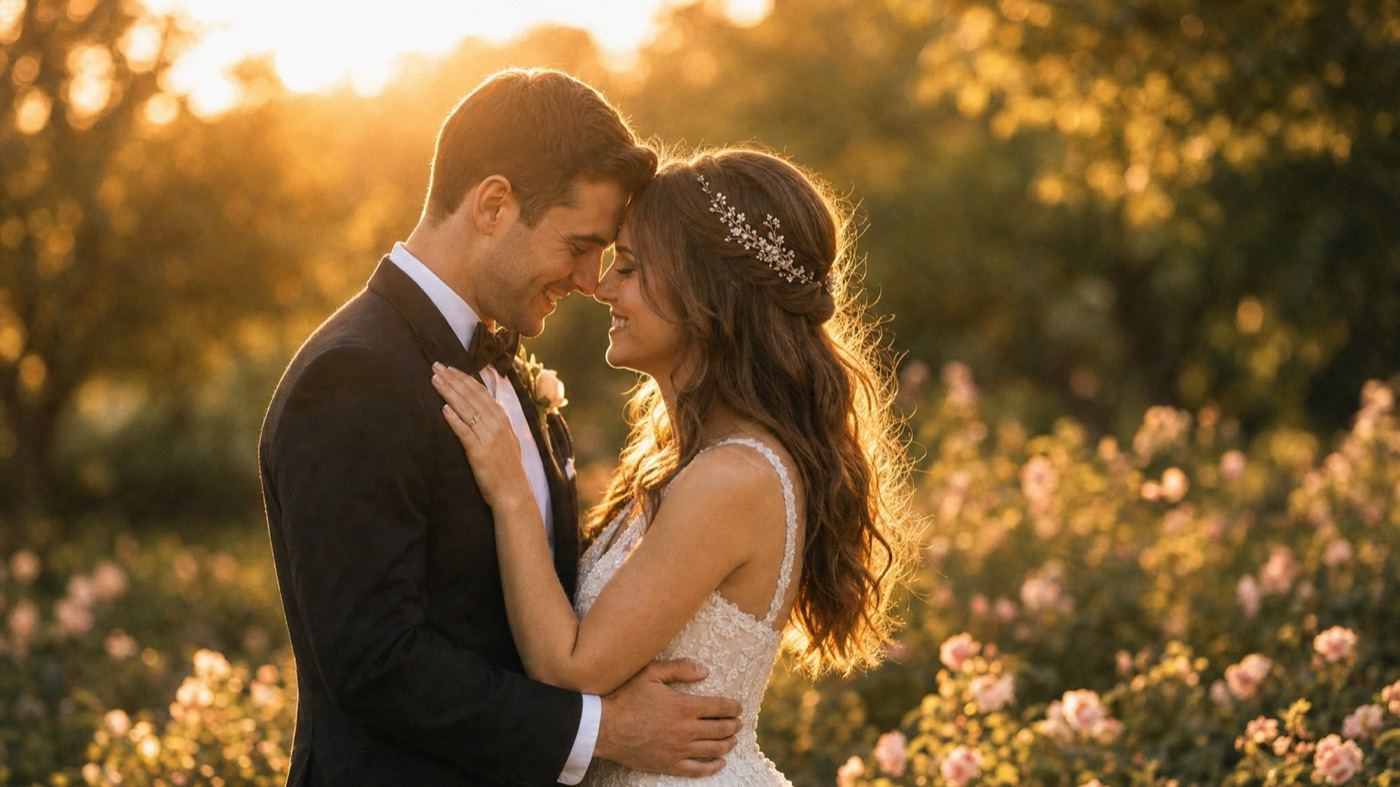
Where this actually plays out in Canton venues
Most reception spaces around Canton, whether it's a ballroom, a barn venue, or a country club, have enough natural separation to make this easy if you plan early. Long rectangular rooms give you a clean front half and back half. Rooms with a bar on one end and a dance floor on the other practically do the work for you. If your venue has multiple smaller rooms or an outdoor cocktail space, even better, you can spread arrival and mingling time too.
Walk your floor plan with your coordinator before final numbers are due and ask directly where the natural zones are. Every venue is laid out a little differently, so confirm sightlines and table spacing with your venue coordinator rather than assuming the diagram tells the whole story.
What if the ex is in the bridal party
This is the trickier version. If an ex is standing up in your wedding, which happens more than you'd think with long friend groups, the seating chart alone won't solve it, because they'll be photographed together, lined up together, and likely toasting near each other. I wrote a longer piece on managing a large bridal party during photos that covers how I handle group shots when there's tension in the lineup, worth a read if this applies to you.
The short version, tell me ahead of time. I rearrange group photo order constantly to keep things comfortable, and nobody in the final gallery will ever know two people in that lineup used to date.
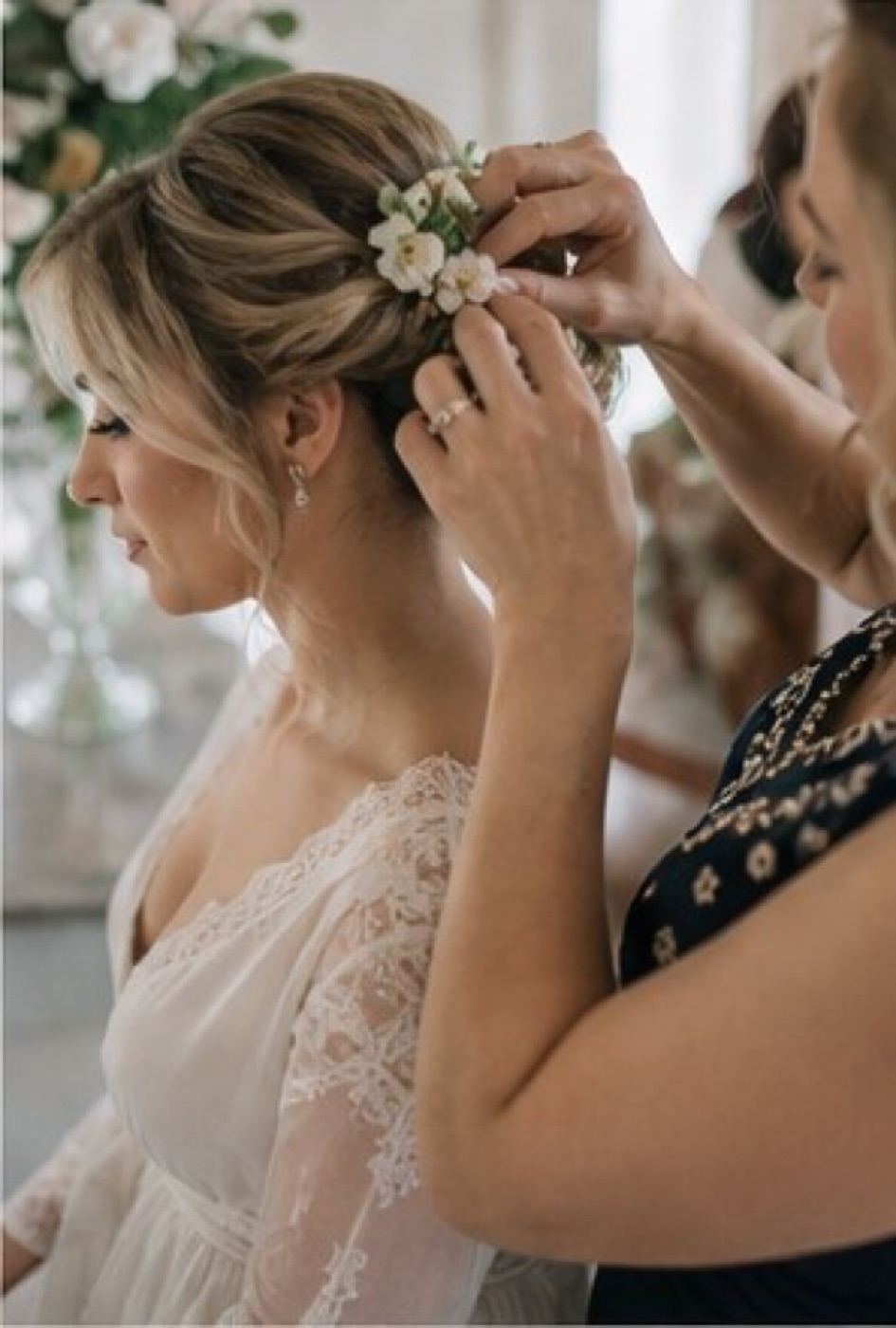
It's not just exes of the couple, think about parents too
Divorced parents with new partners, or parents whose own exes are attending, add another layer. This is really the same seating logic applied to family, and it overlaps a lot with the planning I cover in building your family photo list for a Cleveland area wedding. If your mom's ex-husband and your dad are both invited, use the same distance principle, opposite sides, no shared table, and loop your photographer in on who should and shouldn't be grouped together for formal family portraits.
Distance does the work that conversation never will.
Talk to your planner or coordinator, not just your wedding party
Your venue coordinator has seen every version of this. They will not blink if you say, these two need to be on opposite sides of the room, please. Give them the names early, not the week of, so the floor plan can be built around it instead of patched last minute with a seating chart scramble.
- Share names with your coordinator at the same meeting where you finalize table counts
- Flag it again at your final walkthrough so it doesn't get lost between planning stages
- If you have a day-of coordinator separate from the venue, make sure they know too
Details are general and drawn from public information as of 2026. Confirm current specifics with the venue directly.