Every couple asks me this at some point: how many hours of wedding photography coverage do I actually need? The honest answer is that it depends less on some rule and more on what your day looks like, from the first hair pin to the last dance. Let me walk you through how I figure it out with couples planning weddings around Cleveland.
Start With Your Timeline, Not a Number the hours follow the day
Before you pick a package, build a rough timeline. What time do you start getting ready, when is the ceremony, when does the reception end. Once you have those anchor points, the number of hours almost picks itself. I go into this in more detail in my full timeline guide, but the short version is this: work backward from your last dance or send off time, then add in hair and makeup, travel between locations, and any first look or private time you want.
Couples who skip this step tend to either overpay for hours they will not use, or run out of coverage right when things get good. Neither one feels great looking back at it.
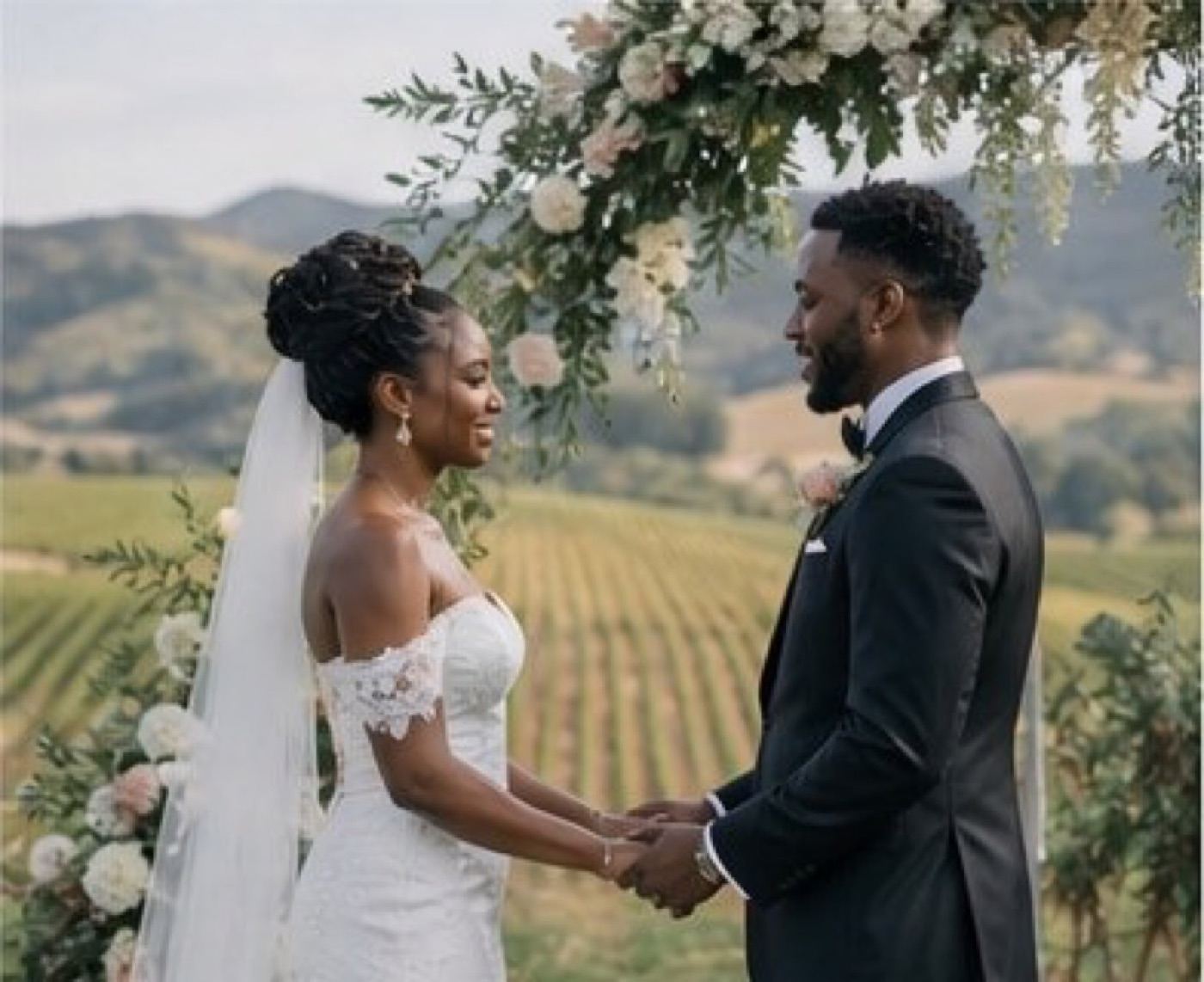
What 6 Hours of Coverage Actually Gets You the tight timeline
Six hours works for smaller, simpler days. Think a ceremony and reception in the same venue, a short getting ready window, and a guest list where you are not doing a huge amount of formal family photo combinations. It is common for elopements, courthouse days, or intimate backyard weddings.
Where six hours gets tight is when you want getting ready photos, a first look, a full ceremony, family portraits, and a reception with dinner, toasts, and dancing. Something usually gets cut, and it is almost always the dancing at the end, since that is what happens last on most timelines.
- Good fit for ceremony plus reception at one venue
- Best for guest counts on the smaller side with simple formals
- Rarely leaves room for a first look plus a long getting ready session
- Coverage often ends before the dance floor really opens up
What 8 Hours Covers the Cleveland sweet spot
Eight hours is what most full Cleveland weddings land on, and for good reason. It usually covers getting ready for at least one partner, the ceremony, cocktail hour, portraits, and a solid chunk of the reception including dinner, toasts, first dances, and a good stretch of open dancing.
This is the range where you stop feeling like you are racing the clock. If your ceremony and reception are at different venues around town, which is common with churches downtown or in the suburbs paired with a separate reception hall, eight hours also gives you enough breathing room to account for travel time between them.
What 9 or More Hours Buys You the full day, start to finish
Nine hours and up is for couples who want the whole story covered, both getting ready spaces, a first look if you are doing one, the ceremony, a full cocktail hour, the entire reception, and a proper send off or exit. If you have a longer gap between ceremony and reception, or you are doing a lot of travel between venues around Cleveland and the surrounding suburbs, those extra hours absorb that time without cutting into the parts of the day you actually want photographed.
I also see couples add hours when they want detail shots of both getting ready rooms, or when there is a religious ceremony with its own set of traditions that simply takes longer than a typical thirty minute ceremony.
- Covers both partners getting ready, start to finish
- Room for a first look plus separate portrait sessions
- Handles longer travel time between ceremony and reception sites
- Captures the full reception through the exit, not just the highlights
Where Cleveland Couples Usually Lose Track of Time the hidden minutes
The two places I see timelines slip the most are hair and makeup running long, and travel time between venues. Downtown venues can add real drive time to a suburban reception, and vice versa, and that is on top of parking and load in at each stop. Always confirm timing directly with your venue rather than guessing, since load in windows and vendor access times vary a lot from place to place.
The hours you book should match the day you are actually having, not the day on paper.
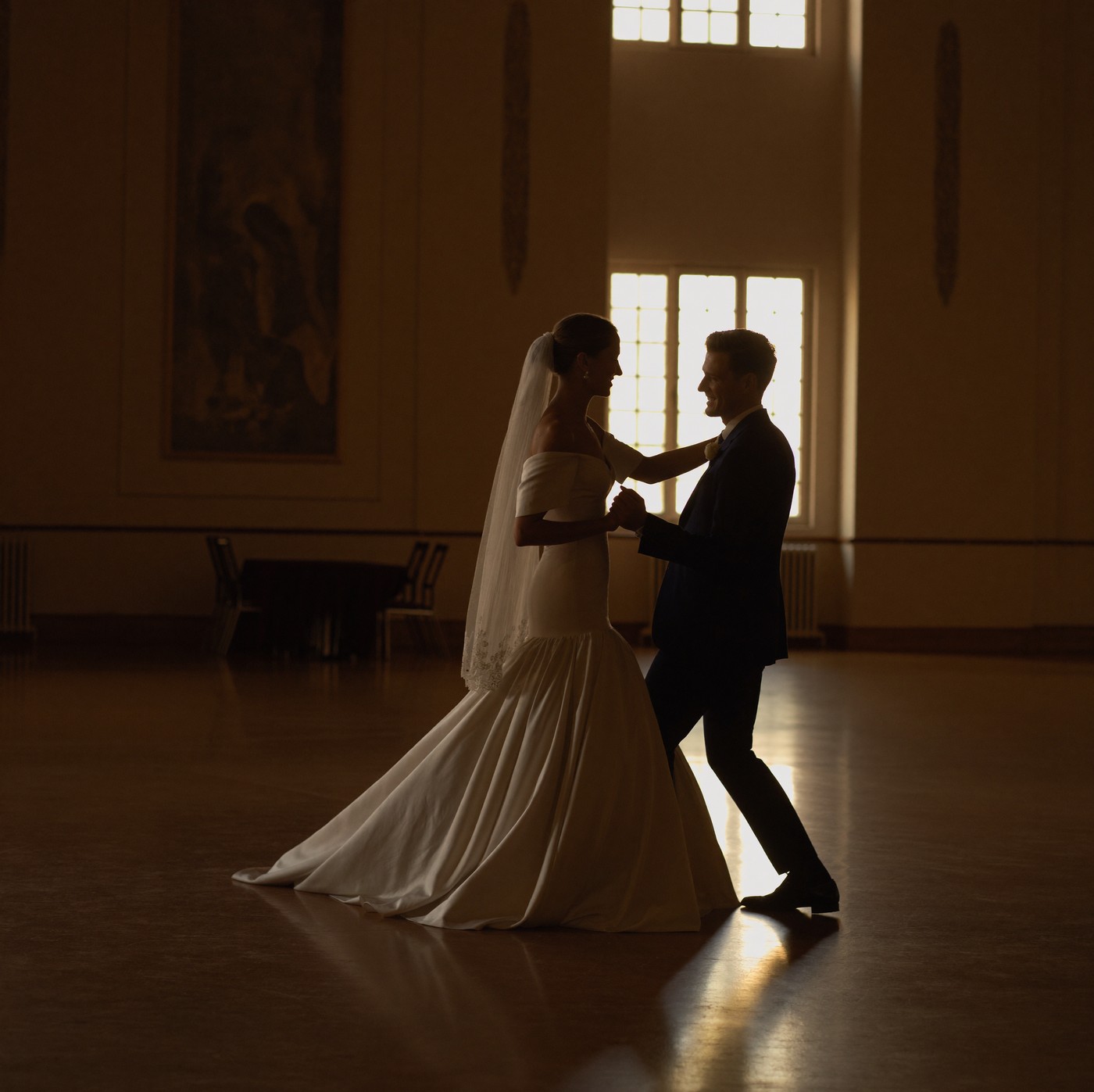
A Simple Way to Test Your Number work it backward
Pick your reception end time first. Count backward through dancing, toasts, dinner, cocktail hour, ceremony, travel, and portraits, then getting ready. Whatever total you land on is your real number, and it is worth padding by thirty minutes to an hour so you are not watching the clock during golden hour portraits.
- Set your last dance or send off time
- Add reception blocks: dancing, toasts, dinner, cocktail hour
- Add ceremony length plus travel between venues
- Add portrait time and getting ready, then add a small buffer
How Hours Connect to What You Pay it's not just a number on a contract
More hours generally means a higher investment, but it is not just about buying time, it is about buying the parts of your day you actually care about seeing again. I break down how coverage hours and pricing typically relate for Cleveland weddings in this guide to wedding photographer cost, which is worth reading alongside your timeline draft.
You can see how I structure coverage and pricing on my own investment page, and browse my weddings gallery to get a feel for what different coverage lengths actually produce.
Details are general and drawn from public information as of 2026. Confirm current specifics with the venue directly.