If you're building a blended family wedding guest list right now, you already know the hard part isn't the headcount. It's figuring out how to seat a stepdad, a half-sister who's twelve, and a dad who hasn't spoken to his ex in years, all at the same reception, without anyone feeling shoved to the side.
Why blended family guest lists feel so much harder than a normal list
A typical guest list is a logistics problem. A blended family guest list is a relationships problem wearing a logistics costume. The spreadsheet isn't what's stressing you out, it's the history behind every name on it.
I've photographed enough of these weddings to tell you this part is normal. Almost every couple with stepparents or half-siblings tells me at some point that they're worried someone will feel like a second tier guest at their own family's wedding. You can fix most of that before the big day, if you plan for people instead of just plugging names into chairs.
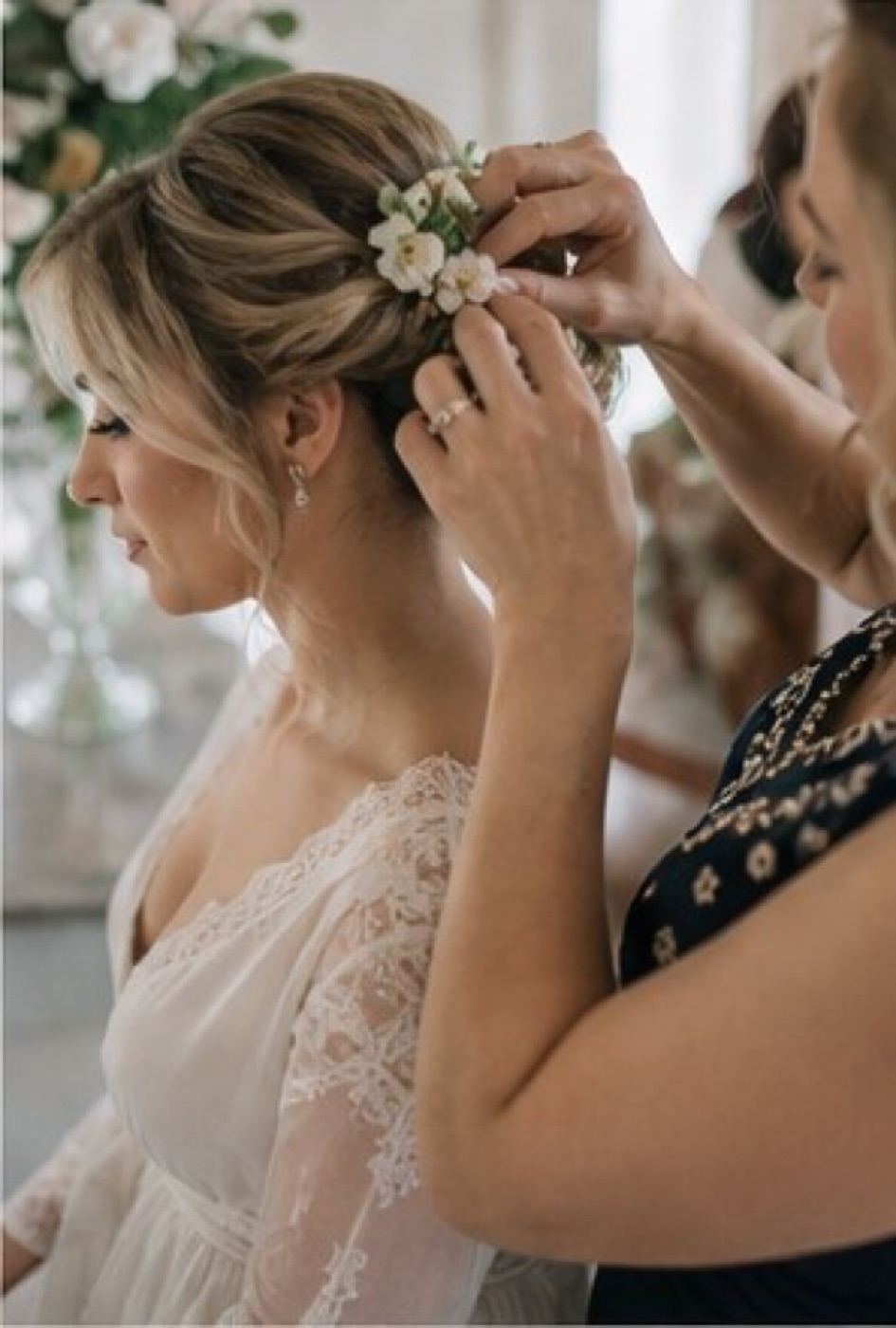
Start with the people not the spreadsheet
Before you open a single guest list template, sit down and talk through the actual relationships. Who has been a real parent figure for the last ten years. Who shows up for birthdays and hospital visits. Who your partner calls when something goes wrong. That list often looks different from a strict biological one, and it should guide your decisions more than tradition does.
- Who has functioned as a parent, even if they're not biological
- Which half-siblings are close and which barely know each other
- Whose name needs to be on the invitation itself, not just the guest count
- Who would be genuinely hurt by being left off the list, versus who wouldn't notice
Give stepparents a real role, not just a seat near the back
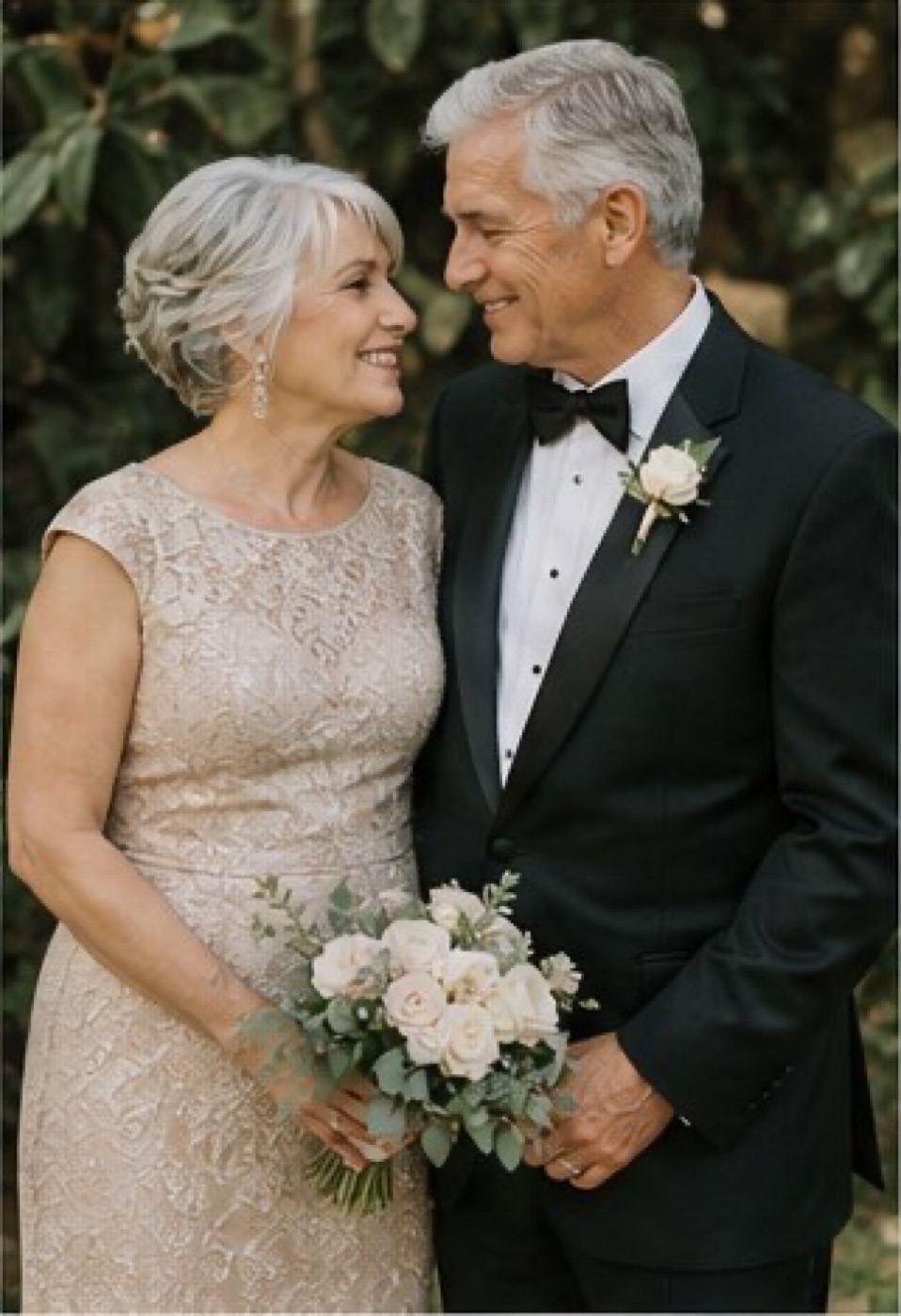
Half-siblings and the kids table problem
Half-siblings with a big age gap create a real seating puzzle. A ten year old and a twenty-six year old are not going to want to sit together, and pretending otherwise just sets up an awkward table. Give it some thought rather than defaulting to one big miscellaneous table labeled family.
- Seat younger half-siblings with cousins close in age, not with adults they barely talk to
- Give older half-siblings a job, like reading a passage or helping with a toast, so they feel included rather than placed
- If siblings are estranged or distant, separate tables are fine. You don't owe anyone forced closeness at your reception
- Ask a parent or older sibling to sit with younger kids so they're not alone at an unfamiliar table
The seating chart is where feelings actually live
Your seating chart is the moment the guest list becomes real for people. Nobody reads the invite list and feels slighted, but everyone notices where they're seated compared to where someone else is seated. Be deliberate about who sits near the head table, who sits together, and who gets a table with people they actually like.
If you're stuck on a specific pairing, like two stepmothers who've never met, give them a buffer. Seat them at the same table but not directly across from each other, with a mutual friend or cousin in between. Small spacing decisions solve a lot of tension before it starts.
A seating chart is just a guest list with opinions attached.
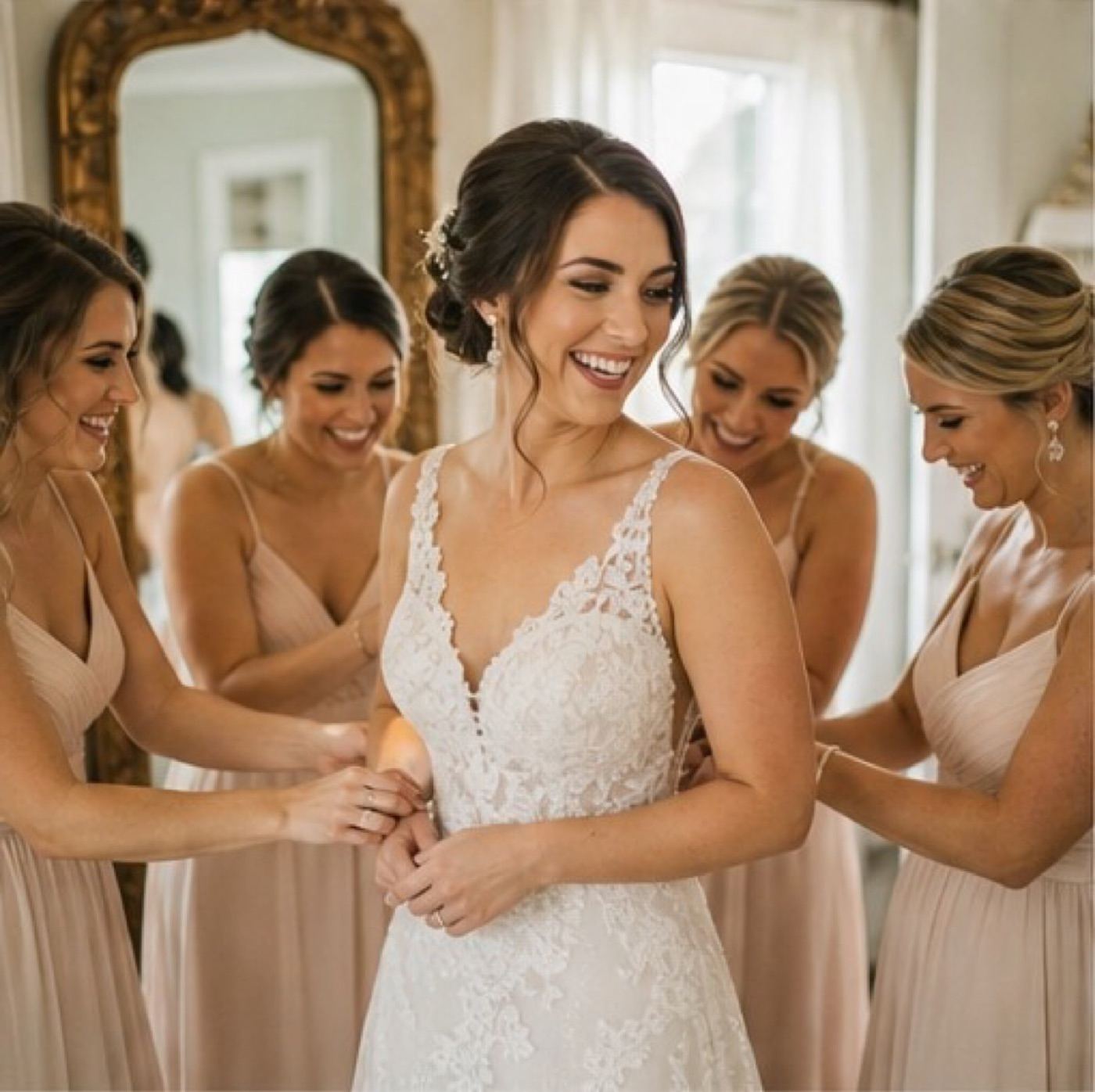
When both sides of the family are large, or exes are both invited
If you're inviting both biological parents and their current partners, plan the room with some intention rather than hoping it works itself out.
- Give each parent and their partner their own table rather than forcing a combined blended table if the relationship is tense
- Stagger when each side is announced or toasted, so it doesn't feel like a competition
- Assign a point person on each side, like an aunt or close friend, who can help smooth any awkward moments during the reception
- Keep the focus on you two. Most tension dissolves once people see the couple is calm and happy
Family portraits who actually needs to be in the photo
This is where a blended family guest list really comes together on the wedding day itself. I always ask couples to build a short, specific formal photo list ahead of time rather than figuring it out on the spot, because that's when people get missed or feel forgotten. I wrote a full breakdown of how to build that list in this guide to family photo lists for Cleveland weddings, and it applies directly to blended families.
If stepparents, half-siblings, or a mix of biological and chosen family are part of your day, it's worth reading my notes on photographing blended families too. The short version is this, I'll always ask who matters to you rather than assume based on last names, and I'll make time for combinations you might not think to request on your own, like stepsiblings together or a half-sister with her niece.
A Cleveland note on headcounts and venue capacity
Blended families often mean a longer guest list than you originally pictured, once you add stepparents, their extended families, and half-siblings' partners. Before you finalize numbers, check actual room capacity and layout with your venue directly, since every space around Cleveland handles headcount and table configuration a little differently. Don't guess based on a sister venue or a photo you saw online.
If you're still working out your overall day, you can see the kind of weddings I shoot over on my weddings page, and details on how I work and what's included are on my investment page. If you want to talk through your specific family situation before you book anyone, just reach out and I'm happy to help you think it through.
Details are general and drawn from public information as of 2026. Confirm current specifics with the venue directly.