I've spent enough wedding days inside 78th Street Studios to know it rewards photographers who slow down and actually look at the building. As a 78th Street Studios wedding photographer, I'm not walking in with a lighting plan built for a ballroom. This place is a former factory turned art complex, and every hallway, garage door, and gallery wall has its own personality once the light hits it right.
Why This Building Photographs So Well it's not staged, it's real
Most wedding venues are built to look good in photos. 78th Street Studios wasn't. It was built to make things, and that history is written all over it in cracked paint, steel beams, and brick that's actually old instead of styled to look old. That difference matters. The texture does half my job for me. I don't need to add drama with lighting gear when a wall already has forty years of character baked into it.
What I tell couples booking this venue is that the building itself becomes a character in the day, not just a backdrop. That's a different mindset than a hotel ballroom or a country club, and it changes how I shoot the whole timeline.
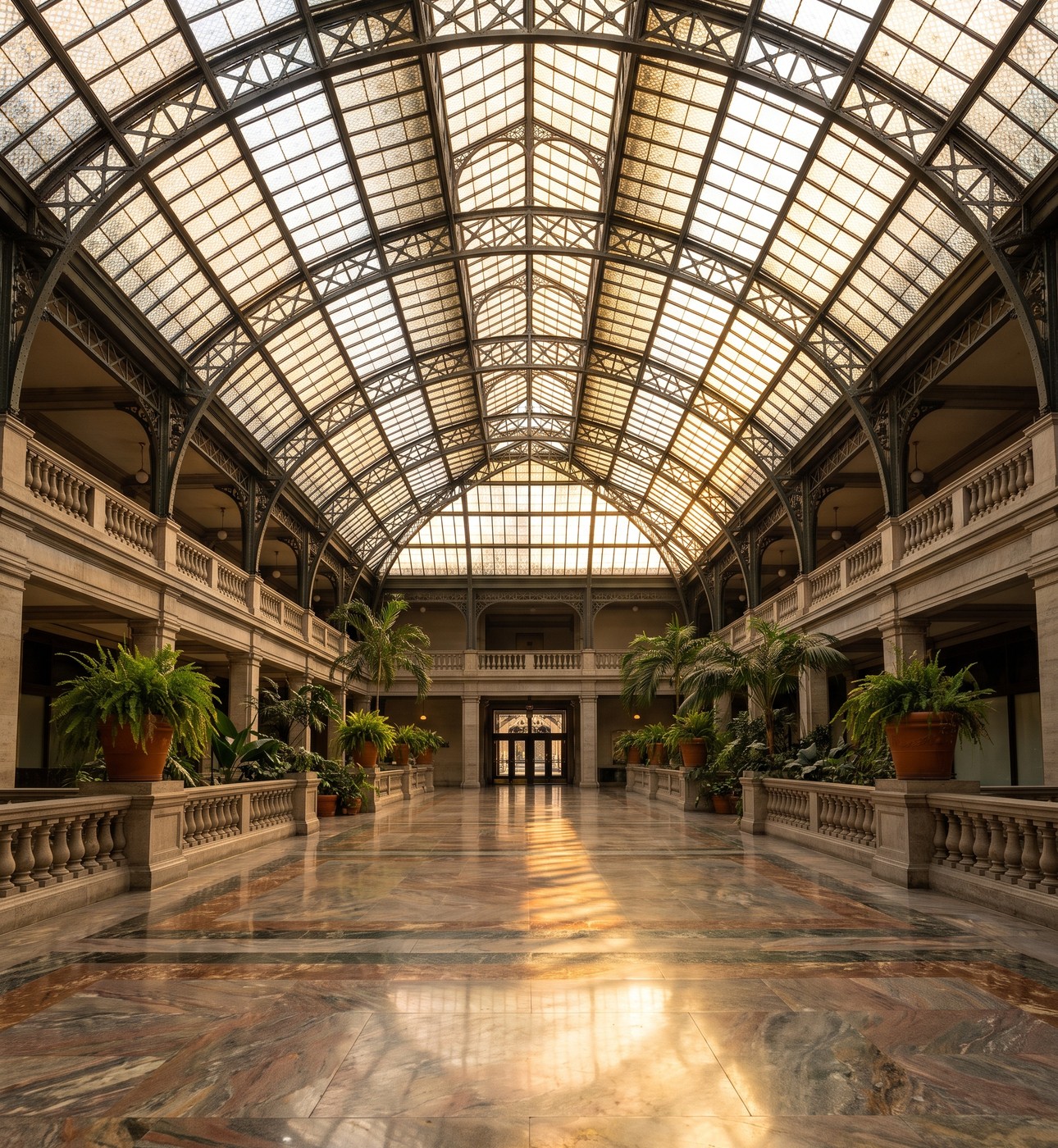
The Light Changes Room to Room and hour to hour
78th Street Studios has natural light coming from everywhere, but it's not uniform. Some galleries have huge factory windows that flood the space with soft, even light most of the afternoon. Others have smaller windows or none at all, and rely on gallery lighting that I have to work around or supplement. I always walk the specific rooms you're using before the wedding, not just the building in general, because the venue has so many distinct spaces under one roof.
If your ceremony is early afternoon and your reception carries into evening, the light in the same room can shift completely. I plan for that. It's part of why I ask couples how many hours of coverage they actually need, which I break down in more detail in this post on wedding photography coverage in Cleveland.
Finding Your Spots Inside the Complex before the day gets busy
78th Street Studios is sprawling, and that's an advantage if you use it right. I like to scout specific corners with couples ahead of time instead of hoping we stumble onto something good during a fifteen minute portrait window on the wedding day.
- Exposed brick corridors with long sightlines for walking portraits
- Gallery walls with rotating art that add color and texture behind you
- Garage bay doors that open up for dramatic side light in the late afternoon
- Stairwells and freight elevator areas for a grittier, editorial feel
- Quiet studio nooks away from guest traffic for a few private minutes together
Working Around an Active Art Complex because it's not just yours for the day
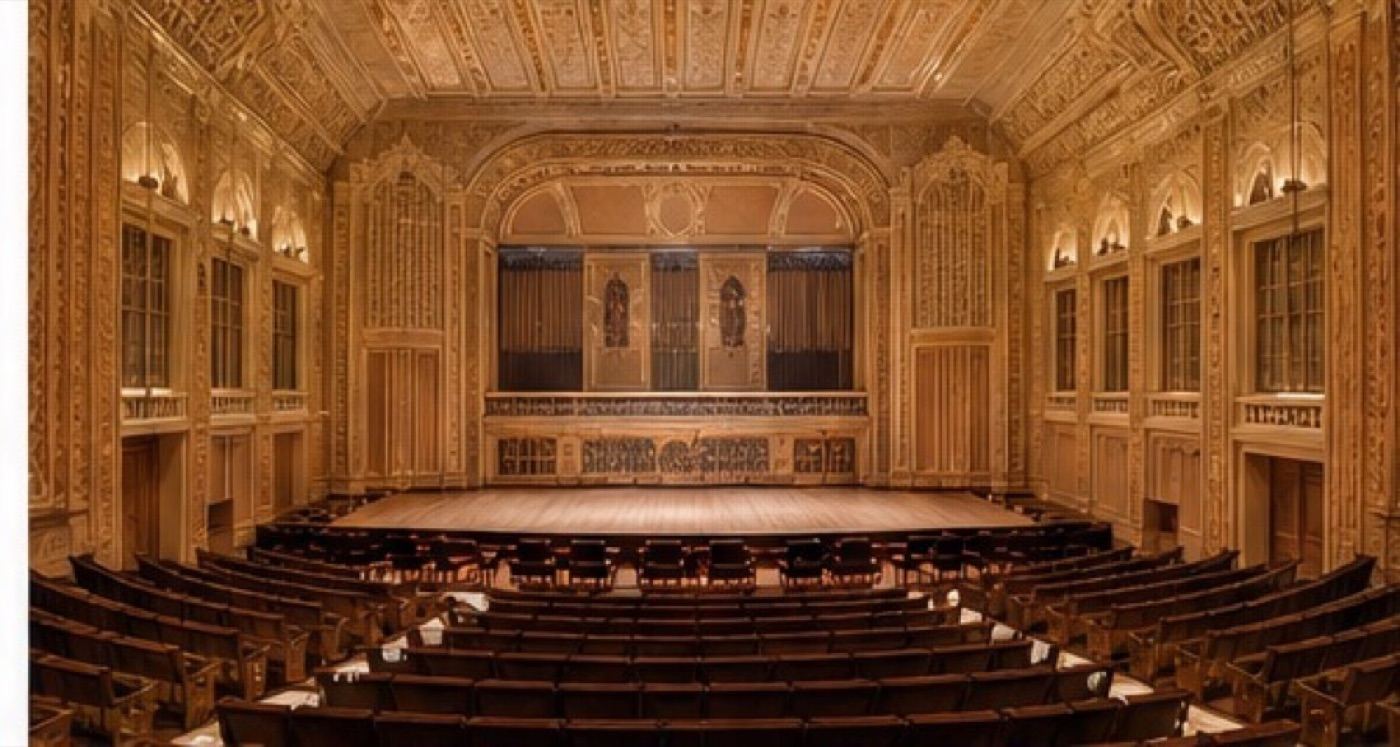
Here's something couples don't always think about. 78th Street Studios is home to working galleries and studios, and the exact footprint you have access to depends on your booking and what's happening elsewhere in the building that day. Confirm with the venue directly which galleries, hallways, and exterior spaces are included in your rental, because that shapes where I plan portraits and how much room we have for a first look or family formals.
I've shot weddings here where we had wide open access to multiple floors, and others where our footprint was more contained. Both work. I just need to know ahead of time so I can plan the timeline and the shot list around the actual space, not a guess.
How It Compares to Other Cleveland Industrial Venues and why the choice matters
Couples looking at 78th Street Studios are often also considering venues like Windows on the River, and it's worth understanding the difference before you book. Windows on the River gives you river views and a more polished industrial feel, which I've written about in my guide to photographing weddings at Windows on the River. 78th Street Studios is rawer, more textured, and honestly more unpredictable in a good way. If you want art on the walls and a building with real history, this is the one.
Building Your Timeline Around the Space so nothing feels rushed
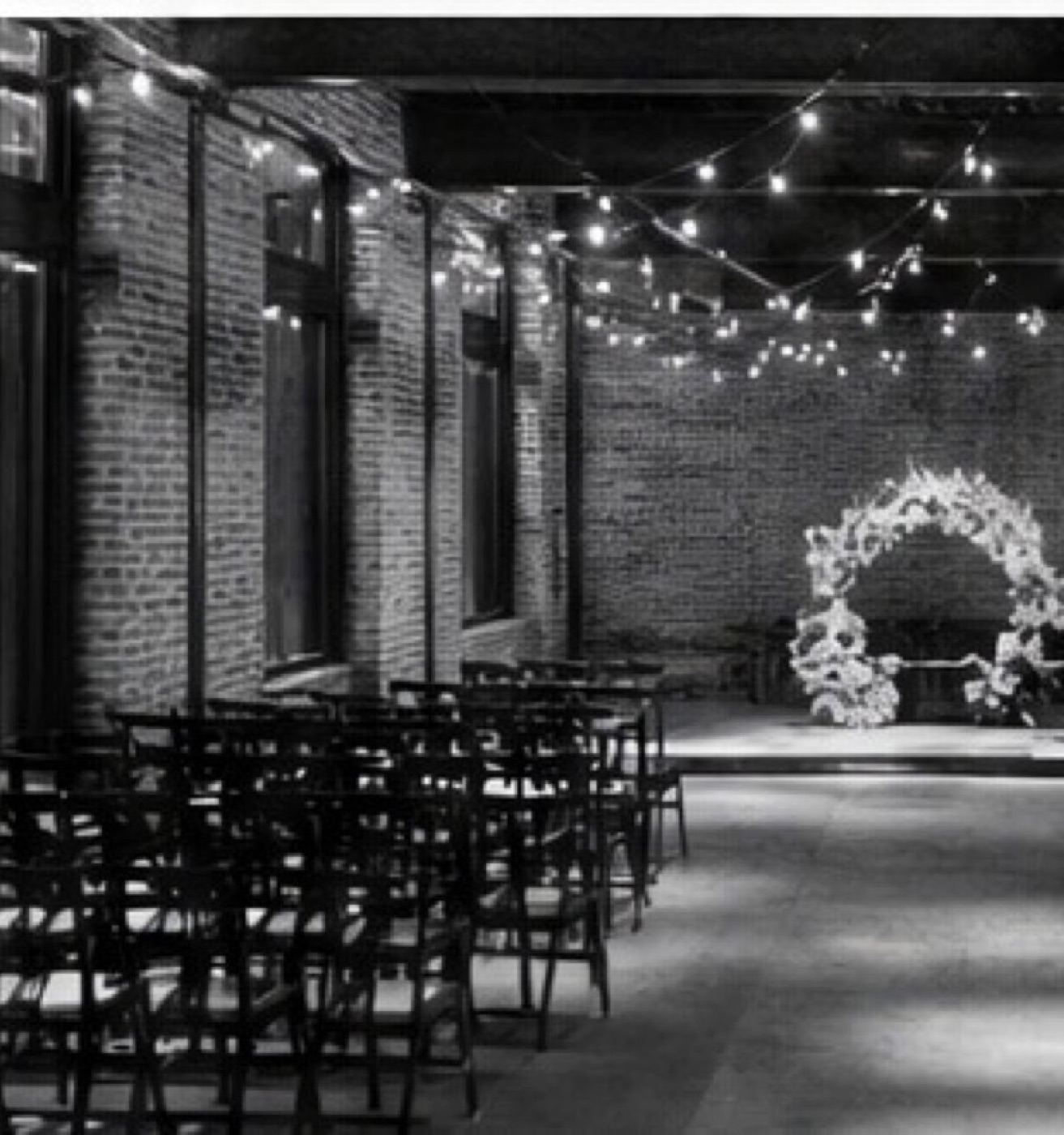
Because the venue has so many distinct areas, I build extra room into the timeline for moving between them. A five minute walk from your getting ready space to a gallery for portraits doesn't sound like much, but multiply that across a wedding day and it adds up. I'd rather have a realistic timeline than a rushed one.
The building gives you plenty to work with. My job is making sure we actually have time to use it.
What I Need From You Before the Wedding a short list, nothing complicated
None of this requires you to become a venue expert. I just ask for a few things ahead of time so the day goes smoothly.
- Your confirmed gallery or studio spaces from the venue coordinator
- Any restrictions on flash, load-in, or specific rooms
- A rough sense of guest count so we can plan formals efficiently
- Your ceremony and reception start times so I can track the light
Details are general and drawn from public information as of 2026. Confirm current specifics with the venue directly.